

Living in Tune: A Conversation with Liz Roberta
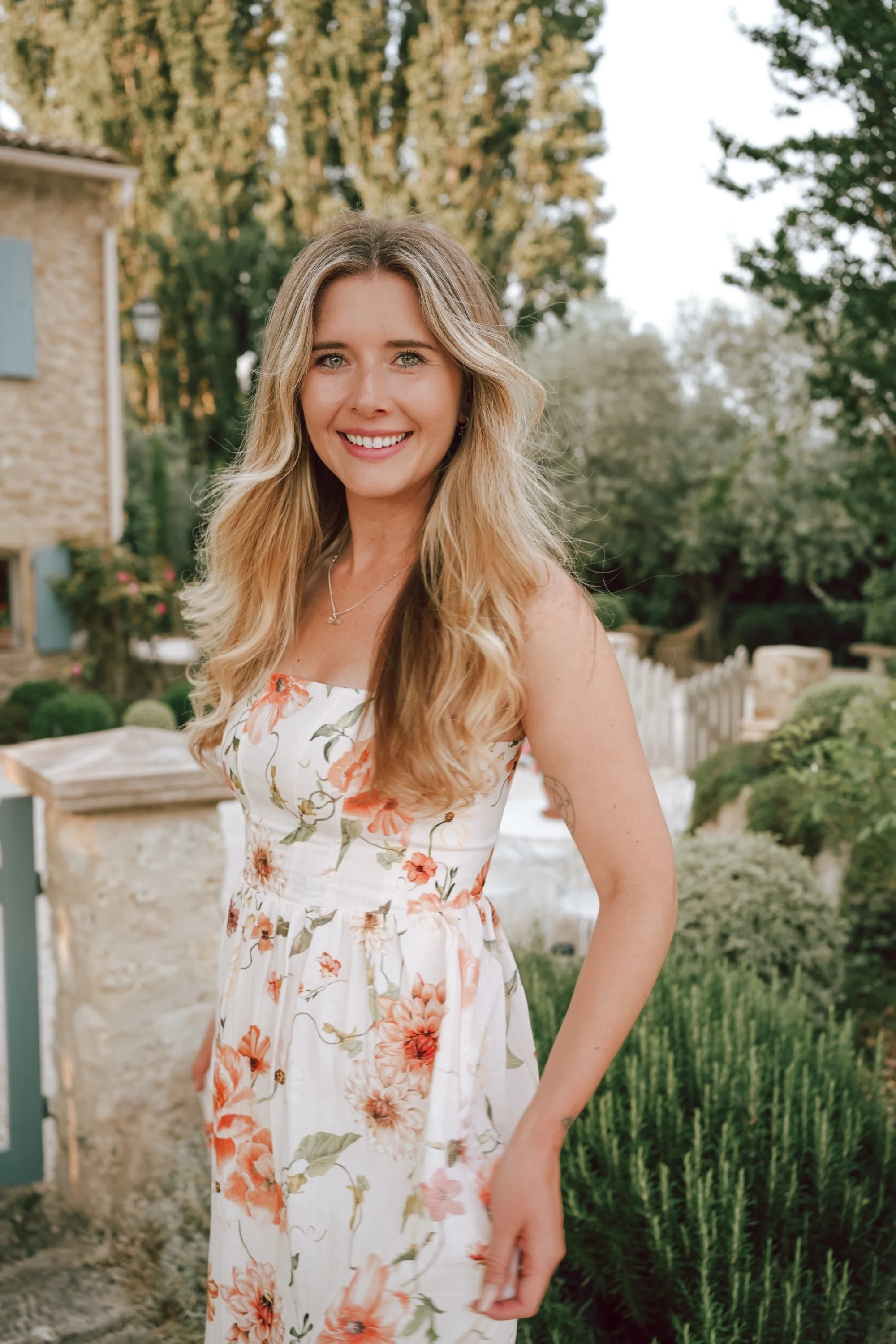
When I sat down with Liz Roberta for this episode of The Jaime Fleres Show, I knew we were about to enter sacred territory. Some conversations feel informative, others feel inspiring—but every so often, a conversation feels like a remembering. This was one of those.
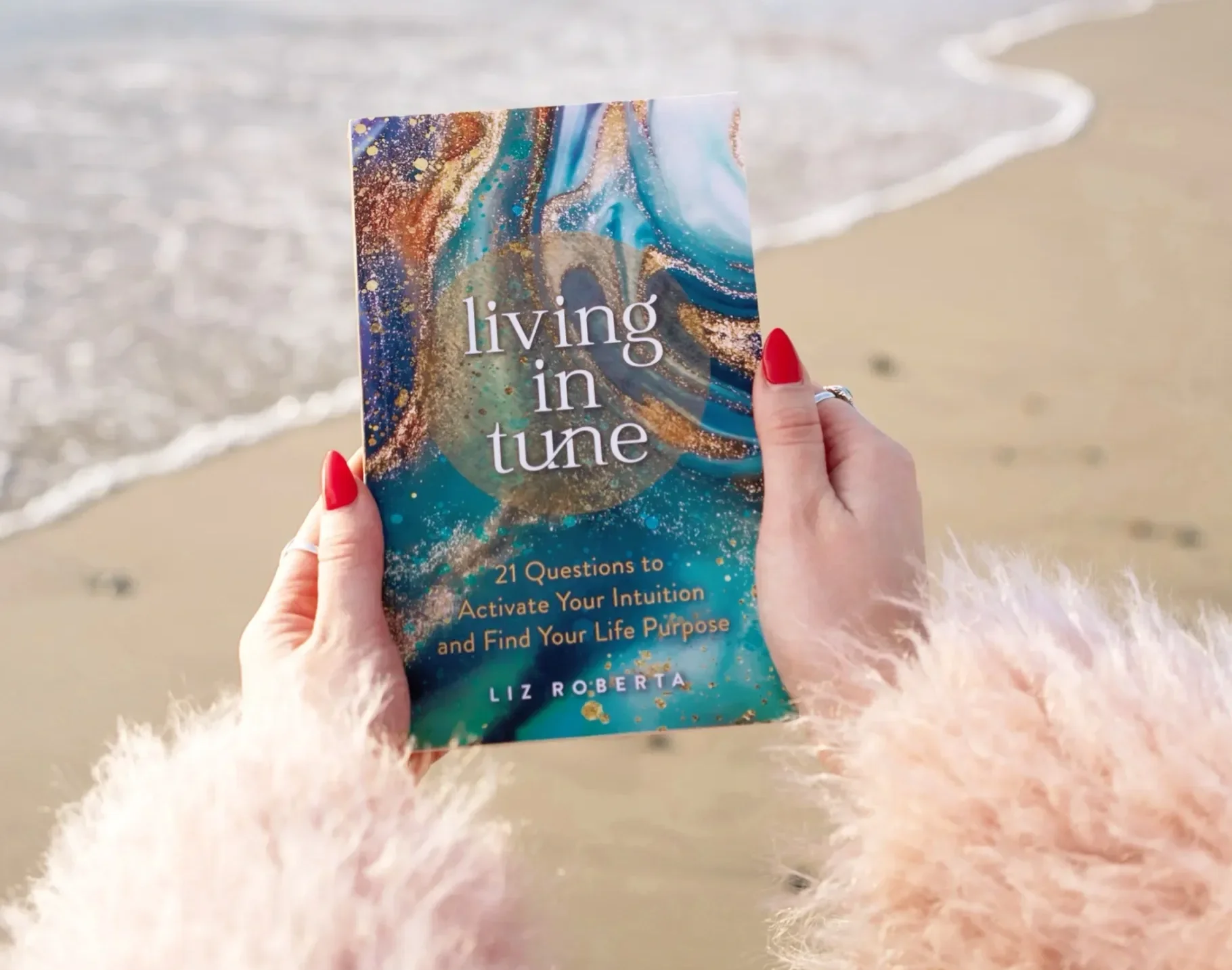
Liz Roberta is a Hay House author, spiritual business coach, and guide for women who are building soul-aligned lives and businesses. Her book, Living in Tune, is a multidimensional offering—part memoir, part intuitive roadmap, part initiation into deeper trust with oneself. In our conversation, we explored intuition, embodiment, money, anxiety, authorship, divine timing, and the lived reality of following your soul’s calling in a very human world.
What unfolded felt less like an interview and more like a tapestry—threads weaving between childhood, breakdowns, awakenings, creativity, and the long arc of becoming.
Childhood Clues and Soul Memory
One of the first places we entered was childhood. I’m endlessly fascinated by the idea that our earliest joys and curiosities often hold the clearest clues to our soul gifts—before conditioning, before survival pressures, before we learn who we’re “supposed” to be.
Liz shared how, as a child, she was deeply intuitive and quietly magical—casting spells, working with candles and oils, and moving through the world with a deep inner knowing that she could shape reality. She had a natural, direct, and inner orientation toward the unseen.
As we talked, I felt that familiar resonance: the sense that many of us are born deeply attuned, only to forget for a time. And that the work of adulthood is not so much learning something new, but remembering what we once knew.
We spoke about how childhood interests don’t always translate literally into adult careers—but they often reveal core values. Liz once wanted to be a veterinarian, drawn by service, care, and connection to animals. While that path didn’t unfold in a conventional way, the underlying thread—service, healing, attunement—absolutely did.
Disconnection, Anxiety, and Embodiment
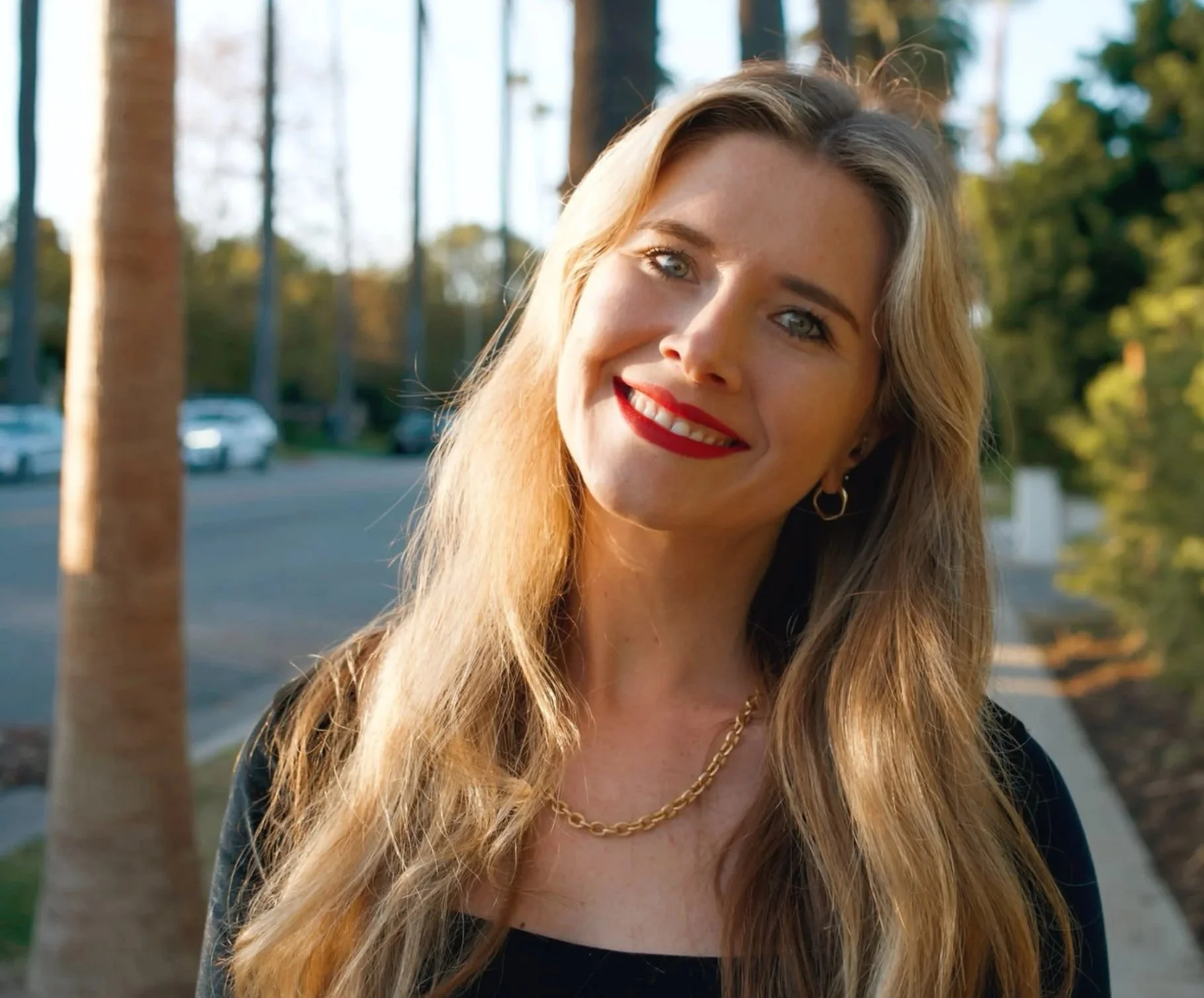
Like so many sensitive and intuitive people, Liz experienced a period of profound disconnection in early adulthood. After growing up without financial security, she became determined to create safety through money and achievement. This led her into investment banking and later fashion—roles that looked successful on paper but felt deeply misaligned in her body.
During this time, Liz developed a debilitating anxiety disorder. Insomnia, panic, physical symptoms of constant alarm.
Conventional medicine offered symptom management, but couldn’t get to the core root of what was ailing her. This became Liz’s doorway into a deeper spiritual and healing journey—one that included acupuncture, Reiki, meditation, subconscious work, and eventually a reawakening of her intuitive abilities.
We talked about how often our greatest challenges are not detours from our purpose, but direct initiations into it. Anxiety, depression, grief, heartbreak—these experiences can become medicine when we are willing to listen to what they are asking of us.
As Liz beautifully articulated, the cave we fear to enter often holds the treasure we seek. (A Joseph Campbell quote)
The Wound as the Way: Reclaiming the Voice
One of the most powerful threads in our conversation was the idea that our greatest wounds often become our greatest gifts. Liz shared how she was terrified of speaking for most of her life—avoiding oral exams, hating the sound of her own voice, shrinking when she knew the answer.
And yet, again and again, she received feedback that her speaking was powerful, moving, and memorable.
This paradox became a clue. Over time, through hypnotherapy, teaching, lecturing, and eventually online work, Liz reclaimed her voice. What once felt like her biggest obstacle revealed itself as one of her primary channels of service.
This is something I see over and over again in my work with creatives, leaders, and healers. The places we avoid, the edges that scare us, often point directly to where our medicine lives.
Intuition as an Unfolding Practice in Curiousity and Neutrality
Much of Living in Tune centers on intuition—not as a flashy psychic ability, but as a grounded, embodied relationship with truth. Liz spoke candidly about how intuition is not always clear, easy, or comfortable.
One of the most important distinctions she offered was between intuition and desire. Early on in spiritual awakening, everything can feel like a sign. Angel numbers appear everywhere. Meaning feels amplified. But maturity, she shared, comes through neutrality.
True intuition requires detachment—the willingness to receive information that may not align with our preferences. This is especially challenging when we want something deeply.
Liz described intuition as an ongoing experiment. Listening. Recording. Reflecting. Learning the language of one’s own system. She journals, tracks signs, and revisits experiences with curiosity rather than certainty.
We talked about framing intuition not as a control device, but as a relationship with the Mystery.

Betrayal, Timing, and Trusting the Unfinished Story
We also explored the painful moments when intuition seems to fail us—when we receive a clear “yes” internally, only to experience an external “no.” Liz shared several deeply human stories of feeling betrayed by the universe: jobs she thought were destined, courses that were canceled, book deals that didn’t materialize when she expected them to.
And yet, with time, every single one of those moments revealed itself as redirection and the purpose or clarity was revealed over time.
What stood out to me was how trust is not something we can manufacture, but is built retroactively, through lived experience. Through seeing how the story continues. Through realizing that what felt like an ending was often a rerouting toward something more aligned.
This is such an important reminder for anyone sitting in the messy middle navigating how to walk with intuition that hasn’t resolved with a clear “happy ending”. The story is not over yet.
Money, Self-Worth, and Sacred Exchange
Another rich part of our conversation centered on money—specifically, the tension many spiritual and creative people feel around charging for their work.
Liz spoke powerfully about money as energy, reciprocity, and survival. Especially for entrepreneurs, avoiding money work is not an option. Undervaluing oneself does not serve clients; in fact, it often undermines transformation and does a disservice to the people we are meant to serve.
She shared her observation that people often receive more value from what they pay for than what they receive for free. Investment creates engagement and honors the exchange—the years of experience, training, embodiment, and lived wisdom that go into someone’s work.
Writing Living in Tune and the Authorship Adventure
We spent time speaking about Liz’s journey to publishing Living in Tune with Hay House—a path that required persistence, patience, and deep trust in timing.
She submitted book proposals multiple times before receiving a yes. Each iteration refined the message. Each “not yet” shaped the book into what it ultimately became.
What struck me was her insight that authorship requires embodiment. You can’t rush a book whose wisdom you haven’t fully lived yet. The message matures as you do.
Liz also spoke candidly about the editorial process—how confronting it can be to see your carefully crafted manuscript reshaped by others. And how important it is to know which parts to hold firm on, and where to remain flexible. I could really see the value in this sentiment for the authors I work with, particularly in the editing phase. (Though, I will note that editing in the self-publishing path has a different tone and qualities to it than traditional publishing editing.).
Alignment, she shared, is everything. If the final product doesn’t feel true, it’s hard to stand behind it fully. But when it does—sharing becomes effortless.
Questions as Portals to Living A Soul Led Life
Living in Tune is structured around 21 guiding questions, each designed to unlock deeper self-awareness and alignment. What I love about this approach is that it doesn’t offer rigid answers—it invites inquiry. Liz shared that one of her favorite orienting questions is simply: What would my higher self say? It’s a deceptively simple question, and a powerful recalibration.
A Living Invitation
This conversation with Liz Roberta felt like an invitation—to slow down, to listen more deeply, to trust what is unfolding even when it doesn’t make sense yet.
Liz reminded all of us so wisely that intuition is not about certainty, alignment is not about perfection, and purpose is not something we force but something we tune into.
If you are navigating a moment of transition, doubt, or quiet longing, if you are learning to trust yourself again, or if you are standing at the edge of something you can’t yet name—this conversation is for you.
And if you feel called to go deeper, Liz’s book Living in Tune is a beautiful place to begin.
Connect with Liz ROBERTA:
Website: lizroberta.com
IG: https://www.instagram.com/iamlizroberta
Free Chapter Download: https://lizroberta.com/free
As always, thank you for being here, for listening, and for walking this path of remembrance alongside us.