
Expanding Beyond the Productivity Paradigm into an Organic, Seasonal Model of Creativity
A Podcast Episode Debrief
In this solo episode of the podcast, I share one of the foundational frameworks I teach inside my book, The Author Adventure, and within my programs, such as Catalyst, for writers and soulful creatives: the seasons of creativity.
This isn’t just a poetic metaphor I enjoy (though I reall love poetic metaphor so very much). This a model I actively use to guide authors through the nonlinear terrain of writing a book or completing a creative project. It’s a framework that has helped countless creatives understand where they are in their process — and stop fighting themselves along the way.
Over the years, working with writers, visionaries, entrepreneurs, and artists, I’ve seen how often creatives misinterpret their own rhythms. They assume something is wrong when their energy dips. They believe they’ve failed when momentum slows. They question their commitment when inspiration goes quiet.
And almost every time, what’s actually happening is simple:
They are in a different season of the creative life cycle—one that isn’t asking for productivity but perhaps imagination, a fallow period, ideation, refinement, pause, or celebration of what has been completed.

Healing from Hustle Culture
In this episode, I break down the full arc of the creative process through a cyclical, nature-based model — one that stands in direct contrast to the productivity paradigm that dominates our culture.
Because here’s what I see again and again: we are trying to live creative lives inside a system that only validates one quarter of the cycle.
We are swimming in messaging that equates worth with output. That measures progress in quantifiable units. That insists we must always be visible, moving forward, producing.
This is the heartbeat of hustle culture. And many creatives are quietly exhausted by it.
This episode is also about healing from hustle culture by placing productivity back into its proper context as a single season that needs the other 3 seasons in order to be in healthy proportion in the lives of creatives.
A Seasonal Model of Creativity
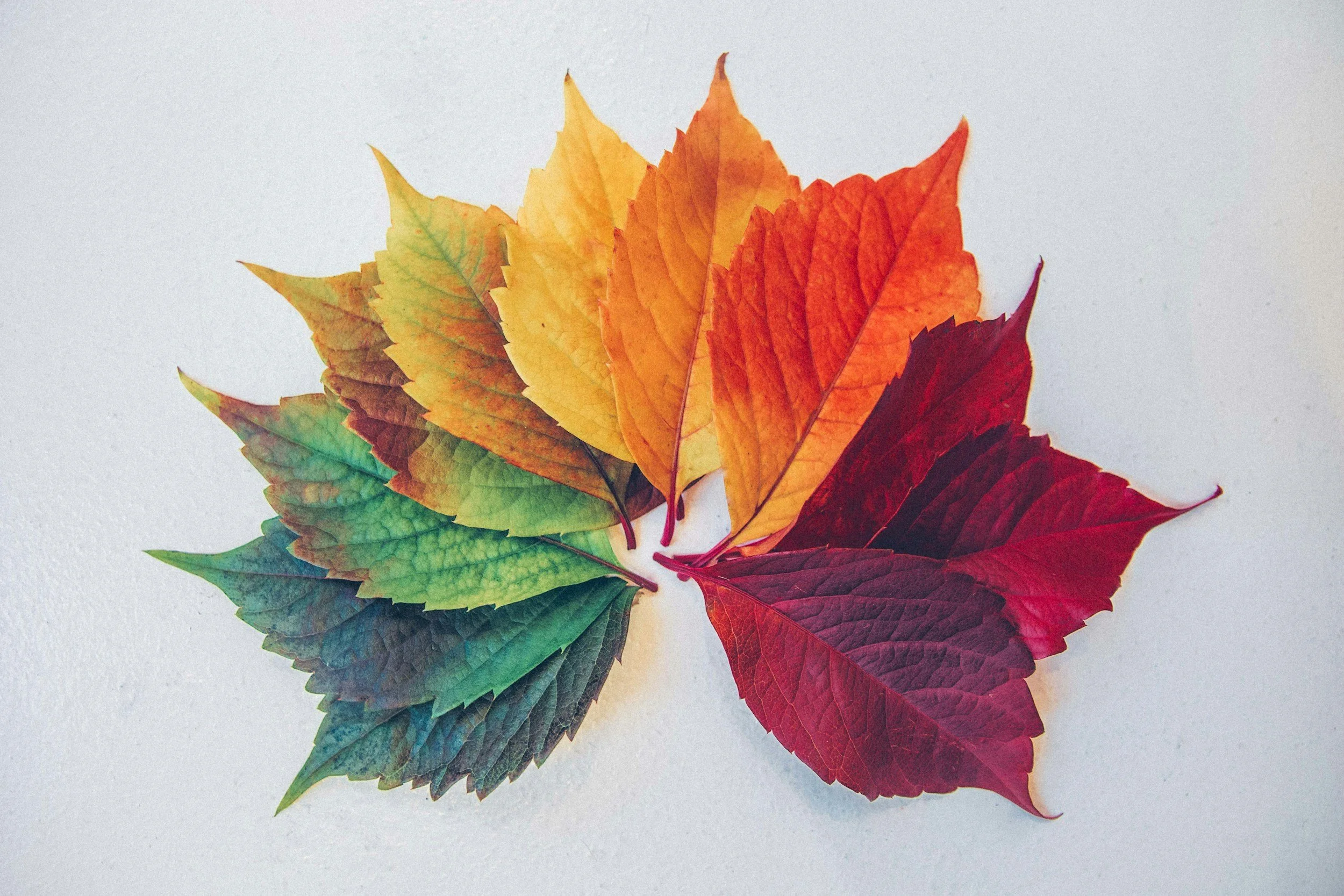
Inside this conversation, I introduce the four seasons of creativity: Fertile Darkness, Bud, Bloom, and Harvest. I walk listeners through what each phase looks like, how it feels, and how to recognize it in your own creative life. But more than that, I offer a reorientation — a way of relating to your creativity that is sustainable, compassionate, and deeply aligned with how nature actually works.
We begin with Fertile Darkness.
This is winter. The new moon. The underground root system doing invisible work. It’s the phase where ideas are incubating before they take form. It often looks like nothing is happening. And because we’ve been conditioned by the productivity paradigm, this season can feel uncomfortable.
But in my work guiding authors, I’ve seen that Fertile Darkness is often where the most profound shifts occur. It’s the integration and incubation needed before clarity comes. It’s the wandering that precedes structure. The dreaming that makes direction possible.
In the episode, I explore how this phase can bring feelings of stillness, possibility, and openness — or uncertainty, frustration, and doubt if we’re resisting it. I talk about how many creatives mislabel this season as procrastination when in reality it is necessary fallow time.
From there, we move into the Bud phase.
This is spring. Emergence. The moment when ideas begin to take visible shape. Energy rises. Possibilities multiply. Connections spark. If Fertile Darkness is underground, Bud is the first green shoot breaking through soil.
This stage can feel exhilarating, and sometimes overwhelming. I often see writers in this phase flooded with ideas, outlines, research threads, potential directions. It can feel like creative Grand Central Station.
And importantly, Bud is not yet the season of steady output. It is a season of exploration, brainstorming, planning and experimenting, and letting something take form without demanding immediate completion.
Then we enter Bloom.
Bloom is summer, the full moon, gestation. It’s the phase our culture celebrates and rewards—when you’re showing up consistently. When words are landing on the page. When that paintbrush moves along the canvas. When progress is visible.
Bloom is the productive season.
While this phase is integral to the creative process, it is only one quarter of the creative cycle. When we live inside the productivity paradigm, we are taught to believe that Bloom is the entire creative process. That if we are not producing, we are failing.
That belief is one of the most damaging distortions I see in creative lives.
Because Bloom depends on Fertile Darkness and Bud, it cannot exist without incubation and experimentation.
And it is followed, inevitably, by Harvest.
Harvest is fall, the waning moon, birth. Reflection. Refinement. Integration. It is the editing phase in a book project. The polishing. The assessment of what worked and what didn’t. It is also the celebration of what has been created. This might be a moment of visibility, when others can see the tangible outcome of our work in the earlier seasons of creativity.
Harvest shifts the energy from propulsion to perspective. It asks us to slow down and metabolize the creation experience. It invites gratitude. Completion. Closure.
And then, the cycle begins again.
Seasonal Scales & Cycles within Creative Cycles
Throughout the episode, I talk about how these seasons operate at multiple scales. A book project can move through all four seasons across years. We may move through all four seasons in a single day. The creative process is nested and cyclical, not linear.
Understanding this changes everything.
When creatives recognize the season they’re in, they stop forcing summer in the dead of winter. They stop judging themselves for not blooming when they are clearly in harvest or incubation. They begin to align rather than resist.
And that alignment is at the core of a sustainable creative life.
This framework isn’t about abandoning discipline or structure. It’s about contextualizing them. It’s about seeing productivity as sacred, but not superior. It’s about recognizing that rest, reflection, incubation, and experimentation are not detours from the creative process, they are the creative process.
When we step outside the productivity paradigm and into a cyclical understanding of the seasons of creativity, something softens, bringing relief, clarity, and permission to trust our own rhythm.
And in my experience guiding writers through the vulnerable terrain of authorship, this shift is necessary. It reduces burnout, restores trust, and creates sustainable momentum we can actually enjoy.
It is, quite simply, a different way of inhabiting the creative process.
If you are in the middle of a book…
If you are navigating a threshold in your work…
If you are rebuilding after burnout…
If you are questioning your creative identity…
If you are longing for a more sustainable relationship to your work…
I believe this episode will meet you.
Inside the full conversation, I go deeper into each season, share examples from the writing process and beyond, and expand on how this model can reshape not just how you create — but how you relate to yourself as a creator.
If this framework resonates, I also explore it in greater depth inside The Author Adventure and within my Catalyst immersion. It is one of the central teachings I return to again and again because of how profoundly it reframes our creative life.
We are not meant to be in bloom all the time. We are meant to move in seasons.